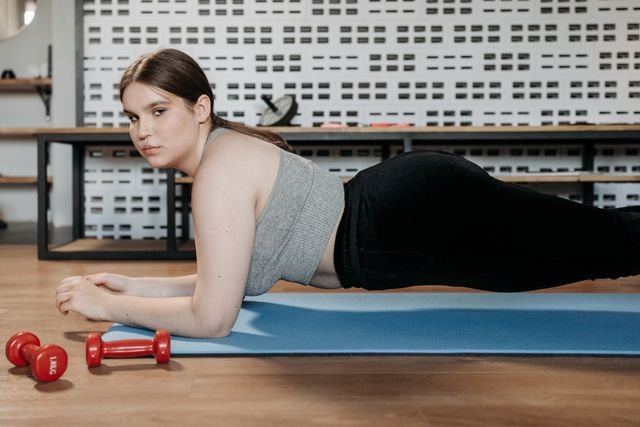
Losing weight doesn’t require an expensive gym membership, a complicated diet plan, or special equipment. If you are wondering how to lose weight fast at home, the most effective approach is to focus on habits you can realistically maintain: eating nutritious foods in appropriate portions, staying physically active, sleeping well, and creating a manageable calorie deficit.
However, “fast” weight loss should not mean starving yourself or following extreme diets. Very rapid weight loss can be difficult to maintain and may increase the risk of losing muscle along with fat. A healthier goal is to make changes that produce steady progress while supporting your energy, nutrition, and overall well-being.
Below are 12 practical ways to start losing weight at home.
1. Create a Moderate Calorie Deficit
Weight loss occurs when your body consistently uses more energy than you consume. This is known as a calorie deficit.
You don’t need to cut your food intake drastically to create one. Instead, start by identifying foods and drinks that provide a lot of calories without keeping you satisfied.
Common examples include:
- Sugary drinks
- Fried foods
- Large portions of desserts
- Chips and highly processed snacks
- Excessive sauces and dressings
- Frequent fast food
- Large amounts of added sugar
Replacing some of these foods with vegetables, fruit, whole grains, lean protein, and other filling foods can naturally reduce your calorie intake.
Avoid extremely low-calorie diets unless a doctor supervises them. Losing weight is more useful when you can maintain the habits after reaching your goal.
2. Prioritise Protein at Each Meal
Protein can be especially helpful when you are trying to lose weight because it promotes fullness and helps maintain muscle while dieting.
Include a protein source at breakfast, lunch, and dinner.
Good options include:
- Eggs
- Chicken
- Fish
- Greek yoghurt or plain yoghurt
- Cottage cheese
- Lentils
- Chickpeas
- Beans
- Tofu
- Lean meat
For example, instead of having only toast for breakfast, you might have eggs with whole-grain toast and vegetables. Instead of eating a large serving of rice alone at dinner, pair a smaller portion with chicken, lentils, or another protein source and plenty of vegetables.
This creates a more balanced and satisfying meal.
3. Fill More of Your Plate With Vegetables
One of the simplest strategies for losing weight at home is increasing your vegetable intake.
Many vegetables contain relatively few calories while providing fibre, water, vitamins, and minerals. This means you can eat a satisfying volume of food without consuming too many calories.
Try vegetables such as:
- Spinach
- Cucumber
- Tomatoes
- Carrots
- Cabbage
- Cauliflower
- Broccoli
- Bell peppers
- Green beans
A useful meal structure is to make vegetables a substantial portion of your plate, add a source of protein, and then include a reasonable portion of whole grains or another carbohydrate source.
You don’t need to eliminate rice, bread, potatoes, or roti to lose weight. Portion size and your overall diet matter more.
4. Cut Back on Liquid Calories
Sometimes the easiest calories to reduce are the ones you drink.
Sweetened tea or coffee, soft drinks, energy drinks, milkshakes, and some packaged juices can add hundreds of calories to your daily intake without providing the same fullness as a meal.
Make water your primary drink.
Other lower-calorie options can include unsweetened tea, coffee, sparkling water, or herbal tea.
You also don’t need to force yourself to drink excessive amounts of water. Drink regularly throughout the day and increase your intake when exercising, sweating heavily, or spending time in hot weather.
5. Walk Every Day
If you want to lose weight fast at home without a gym, walking is one of the easiest places to start.
Walking requires no special equipment and can be adapted to different fitness levels.
You can walk outdoors or indoors. If you cannot complete a long session, divide your movement into shorter periods.
For example:
10 minutes in the morning + 10 minutes after lunch + 10 minutes in the evening = 30 minutes of daily walking.
You can gradually increase your duration or pace as your fitness improves.
Walking also doesn’t have to feel like a formal workout. Cleaning, gardening, climbing stairs, doing household chores, and moving around the house all contribute to daily physical activity.
6. Add Strength Training at Home
Cardio is useful, but don’t overlook strength training.
When losing weight, your goal ideally isn’t simply to make the number on the scale smaller. You also want to preserve as much muscle as possible.
You can perform many strength exercises at home, including:
- Chair squats
- Wall push-ups
- Glute bridges
- Lunges
- Step-ups
- Resistance-band rows
- Modified push-ups
Beginners can start with simple bodyweight exercises two or more days per week and gradually increase the difficulty.
Correct technique matters more than doing many repetitions.
If you have an injury, medical condition, significant pain, dizziness, or mobility limitation, talk with an appropriate healthcare professional before starting a new exercise program.
7. Stop Trying to Burn Fat From One Specific Area
Many people want to lose belly fat, thigh fat, or arm fat quickly.
Unfortunately, doing hundreds of abdominal exercises does not guarantee that your body will specifically burn abdominal fat.
Several factors influence where your body stores and loses fat, including genetics, age, hormones, and overall body composition.
Abdominal exercises can strengthen your core, but reducing overall body fat generally requires consistent nutrition and physical activity.
Instead of chasing “belly-fat-burning” exercises, build a complete routine combining:
Cardio + strength training + balanced nutrition + adequate sleep.
Your body will gradually change as your overall body fat decreases.
8. Reduce Highly Processed Snacks
Snacking itself isn’t automatically bad for weight loss. The problem is that certain snacks are very easy to overeat.
Biscuits, cakes, chips, chocolates, and similar foods can pack a lot of calories into relatively small portions.
If you get hungry between meals, consider more filling options such as fruit, yoghurt, boiled eggs, vegetables with hummus, or a small portion of nuts.
You don’t necessarily have to ban your favourite foods.
Complete restriction can make some people feel deprived. Instead, consider having smaller portions less frequently while making nutritious foods the foundation of your diet.
9. Pay Attention to Portion Sizes
Even nutritious foods contain calories.
Nuts, peanut butter, cooking oils, cheese, dried fruit, and other nutrient-rich foods can add up quickly when portions get large.
You don’t necessarily need to count every calorie forever. Learning what reasonable portions look like can be enough for many people.
Try eating slowly and paying attention to your hunger and fullness signals. Avoid automatically taking a second serving before giving yourself time to determine whether you are still hungry.
Using smaller bowls or plates may also help some people become more aware of portion sizes.
10. Get Enough Sleep
Diet and exercise receive most of the attention in weight-loss discussions, but sleep matters too.
Poor sleep can make healthy eating and exercise more difficult by affecting energy, appetite, and decision-making.
When possible, keep a regular sleep and wake schedule.
Create a relaxing bedtime routine, reduce unnecessary screen use before bed, and make your bedroom comfortable for sleep.
Most adults generally need at least seven hours of sleep per night, although individual needs vary.
If you consistently struggle with insomnia, severe daytime sleepiness, or other sleep problems, discuss them with a healthcare professional rather than relying on weight-loss advice alone.
11. Plan Your Meals Before You Get Hungry
When you get extremely hungry and don’t have food prepared, convenience often wins.
That’s when takeaway meals, fried foods, sweets, or oversized portions can become particularly tempting.
Meal planning helps prevent this.
You don’t need to prepare an entire week’s meals every Sunday. Even planning tomorrow’s meals tonight can make a difference.
For example:
Breakfast: Eggs + whole-grain toast + fruit
Lunch: Grilled chicken + vegetables + rice or whole-grain roti
Snack: Yogurt + fruit
Dinner: Lentils + vegetables + whole grains
You can adjust the exact foods to your culture, preferences, budget, and nutritional needs.
Keeping basic ingredients on hand makes healthy choices much easier.
12. Focus on Consistency Instead of Perfection
This may be the most important part of learning how to lose weight fast at home.
One unhealthy meal doesn’t cause long-term weight gain, just as one healthy meal doesn’t cause long-term weight loss.
Your repeated habits matter.
If you overeat at dinner, don’t punish yourself by starving the next day. Return to your usual healthy routine at the next meal.
Similarly, if you miss a workout, you haven’t ruined your progress.
Exercise again when you can.
A routine that you follow consistently for months is far more valuable than an extreme diet you abandon after one week.
A Simple At-Home Weight-Loss Routine
You can keep your routine surprisingly simple.
Start your morning with a balanced breakfast containing protein. Stay active during the day instead of sitting for hours. Build your meals around vegetables, protein, whole grains, fruit, and other minimally processed foods.
Aim for regular walking or another form of moderate activity and include strength exercises during the week.
Prepare most meals at home when possible because this gives you greater control over ingredients, cooking methods, and portion sizes.
Finally, prioritise sleep.
You don’t need to implement every habit perfectly from day one. Start with two or three changes and build from there.
How Fast Can You Safely Lose Weight?
People often search for ways to lose 5 or 10 kg within a very short period, but faster isn’t always better.
For many adults trying to lose weight, a commonly recommended gradual pace is around 1–2 pounds (approximately 0.5–0.9 kg) per week. Actual results vary considerably based on starting weight, diet, physical activity, medications, medical conditions, and other individual factors.
Your scale weight can also fluctuate from day to day because of water retention, sodium intake, carbohydrate intake, digestion, menstrual cycles, and other factors.
For this reason, don’t judge your progress based on one weigh-in.
Look at the overall trend over several weeks.
Common Weight-Loss Mistakes to Avoid
Trying to speed up weight loss can sometimes lead people toward unsafe or ineffective strategies.
Avoid relying on crash diets, starvation, detoxes, unregulated weight-loss supplements, excessive exercise, or plans that eliminate entire food groups without a medical reason.
Another common mistake is expecting exercise to offset consistent overeating.
Exercise has many health benefits, but nutrition still plays a major role in weight management.
Finally, don’t expect perfect linear progress. Weight loss often includes periods when the scale barely moves even though you are following your routine.
Stay focused on the habits you can control.
Final Thoughts
If you are wondering how to lose weight fast at home, you don’t need an extreme diet or expensive equipment.
Start with the fundamentals: create a moderate calorie deficit, eat enough protein, include plenty of vegetables and other fibre-rich foods, cut back on high-calorie drinks, walk regularly, do strength exercises, get enough sleep, and control portions.
Most importantly, choose habits you can maintain.
Healthy weight loss isn’t about seeing how little you can eat or how hard you can exercise. It’s about building a lifestyle that gradually moves you toward a healthier weight while protecting your nutrition, strength, and well-being.
If you have a medical condition, take medications that can affect appetite or weight, have a history of disordered eating, or need to lose a substantial amount of weight, consult a qualified healthcare professional or registered dietitian for individualised guidance.