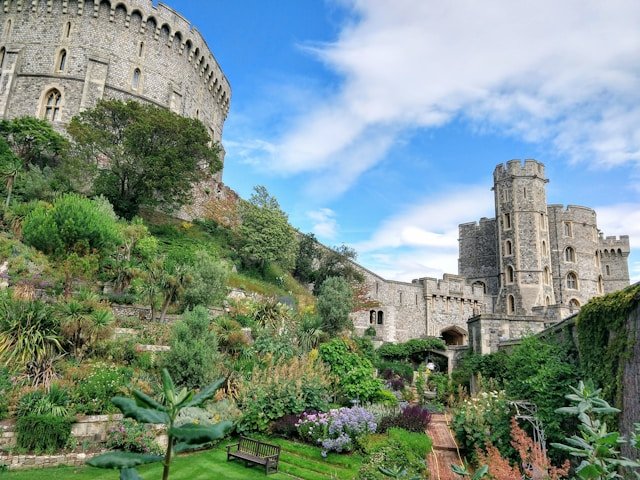
Gardening in the UK comes with one major advantage: the relatively mild climate makes it possible to grow an impressive range of flowers, shrubs, climbers and perennials.
The challenge is choosing plants that are well suited to your particular garden.
Rainfall, winter temperatures, soil conditions, sunlight and even the direction your garden faces can affect how well a plant grows. A plant thriving in a sunny, sheltered garden in southern England may need more protection in an exposed garden farther north.
Fortunately, you don’t need a garden full of difficult or exotic plants to create a beautiful outdoor space.
Some of the best plants for UK gardens are traditional favourites precisely because they cope well with British conditions, return year after year and provide months of colour with relatively straightforward care.
Whether you’re starting a new garden, refreshing an established border or simply looking for reliable plants, here are 15 excellent choices to consider.
What Makes a Plant Suitable for a UK Garden?
Before buying plants, it’s worth understanding your garden rather than choosing everything based on appearance.
The UK generally has a temperate climate, but conditions vary considerably between regions and individual gardens. Coastal locations, exposed northern gardens, sheltered city gardens and warmer areas of southern England can all provide very different growing environments.
Pay particular attention to:
- Sunlight: Is the planting area in full sun, partial shade or deep shade?
- Soil: Is your soil clay, sandy, chalky or loamy?
- Drainage: Does water disappear quickly or remain after heavy rain?
- Exposure: Is the garden protected or exposed to strong winds?
- Space: How large will the plant eventually become?
- Hardiness: Can it tolerate the lowest temperatures normally experienced in your area?
Checking these conditions before purchasing plants can save both money and frustration.
1. Lavender
Lavender is an excellent choice for sunny UK gardens, combining attractive flowers with wonderfully fragrant foliage.
Its purple flower spikes can look beautiful beside paths, around patios or towards the front of sunny borders. Lavender flowers are also attractive to pollinating insects, making the plant both useful and ornamental.
Lavender performs best in full sun and free-draining soil. Wet soil, particularly during winter, can cause problems.
English lavender (Lavandula angustifolia) is generally a sensible option where winter hardiness is important.
Avoid planting lavender in persistently waterlogged ground. Once established, it usually prefers relatively lean conditions rather than excessive watering and feeding.
2. Hydrangea
Few shrubs can produce the visual impact of a mature hydrangea covered in flowers.
Hydrangeas are particularly useful where you want generous displays without filling a border exclusively with annual flowers.
Different types have different requirements, so checking the label before planting is important. Many hydrangeas appreciate moist but well-drained soil and can perform well in partial shade.
Popular options include mophead hydrangeas with their large rounded flower heads and Hydrangea paniculata varieties with distinctive cone-shaped blooms.
Remember that mature hydrangeas can become substantial shrubs. Give them enough space from the beginning rather than squeezing them into a small gap.
3. Roses
Roses remain one of Britain’s most recognisable garden plants—and for good reason.
Modern gardeners can choose from shrub roses, climbers, ramblers, compact patio varieties and many others. Flowers range from simple open blooms to densely petalled varieties, while many roses also offer wonderful fragrance.
Most roses perform best with plenty of sunlight, fertile soil and reasonable drainage.
When selecting a variety, don’t consider colour alone. Look at its mature size, disease resistance, flowering habit and whether its growth style suits the location.
A climbing rose, for example, can transform a sunny wall, fence or arch when provided with appropriate support.
4. Hardy Geraniums
Don’t confuse hardy geraniums with the colourful pelargoniums commonly grown in summer containers.
Hardy geraniums are dependable perennial plants that return year after year and can be extremely useful for filling gaps in borders.
Depending on the variety, they produce flowers in shades including blue, purple, pink and white. Their spreading growth can also help cover bare soil around taller plants.
Different geranium varieties tolerate different conditions, with options available for both sunny and partly shaded areas.
For gardeners wanting an informal cottage-garden appearance without exceptionally demanding maintenance, hardy geraniums deserve serious consideration.
5. Foxgloves
Tall spikes of foxglove flowers can add height and drama to a garden border.
They work particularly well in cottage-style planting schemes and woodland-inspired gardens. Foxgloves can also provide a useful source of nectar for visiting pollinators.
Many foxgloves are biennial, meaning they typically develop foliage in their first year and flower during the following season. Some can self-seed when conditions suit them.
They are especially useful for partially shaded areas where some sun-loving flowering plants may struggle.
Important: Foxgloves are toxic if eaten. Consider this carefully when choosing planting locations, particularly in gardens used by young children or pets.
6. Hellebores
Gardens can look surprisingly empty during late winter, which is exactly when hellebores become valuable.
These hardy perennials produce elegant flowers at a time when relatively few other garden plants are blooming.
Their flowers are available in colours including white, pink, purple, and green, with wide, beautiful spotted and patterned varieties.
Hellebores generally suit areas with partial shade and work particularly well beneath deciduous shrubs or trees where they can receive winter light followed by more shade during summer.
Once established in suitable conditions, they can become reliable long-term garden plants.
7. Salvia
Salvias are a diverse group of plants capable of providing vibrant colour in borders.
Depending on the variety, their flowers may be blue, purple, pink, red or white. Their upright flower spikes also contrast beautifully with plants that have rounded or softer flower forms.
Many salvias prefer sunny positions and well-drained soil.
Some varieties are hardier than others, so checking the individual plant’s requirements is essential—especially in colder or exposed parts of the UK.
Combining salvias with roses, ornamental grasses and other sun-loving perennials can create an attractive layered border.
8. Heuchera
If your garden needs interesting foliage rather than simply more flowers, consider heucheras.
Their leaves come in an extraordinary range of colours, including green, lime, bronze, burgundy and almost purple-black.
This makes them particularly useful for adding long-lasting colour to borders and containers.
Many heucheras cope well with partial shade, although ideal light levels depend on the individual variety. They also produce delicate flower stems, but their foliage is often their greatest attraction.
Try combining contrasting heuchera varieties to create visual interest, even when relatively few plants are in bloom.
9. Clematis
Clematis is one of the best choices for using vertical space.
These climbers can be trained over trellises, fences, pergolas and other supports. With varieties flowering at different times, it’s possible to enjoy clematis blooms across a surprisingly long season.
The enormous choice of colours and flower shapes is another advantage.
Clematis varieties belong to different pruning groups, however, and their pruning requirements aren’t identical. Keep the plant label or make a note of the exact variety so you know how and when it should be pruned.
Providing appropriate support from the beginning will also make training the plant much easier.
10. Alliums
Alliums bring architectural structure to late-spring and early-summer planting.
Their distinctive spherical flower heads rise above surrounding foliage and look especially striking when planted in groups rather than individually.
Purple is the best-known allium colour, although other options are available.
Most ornamental alliums prefer sunny positions and well-drained soil.
They combine particularly well with ornamental grasses and herbaceous perennials, which can also help disguise the alliums’ foliage as it naturally begins to decline.
11. Hostas
A shady garden doesn’t have to be boring.
Hostas are grown primarily for their attractive foliage, which comes in different shades of green, blue-green, yellow and variegated combinations.
They can work beautifully beneath trees, around shaded patios or in containers positioned away from strong midday sun.
Hostas generally appreciate moisture-retentive soil, although waterlogged conditions should still be avoided.
One common challenge is damage from slugs and snails. Regularly inspecting plants and using appropriate garden-management methods can help keep foliage looking attractive.
12. Japanese Anemones
When many summer flowers are beginning to fade, Japanese anemones can help keep borders colourful.
Their elegant flowers usually appear on tall stems and are commonly available in white and shades of pink.
They are particularly useful towards the middle or back of a border, where their height adds another layer to the planting design.
Once established, Japanese anemones can spread, so consider their eventual growth before planting them beside very delicate or slow-growing neighbours.
Their later flowering season makes them valuable for extending garden interest beyond midsummer.
13. Sedum (Hylotelephium)
Sedums—particularly the upright border plants now commonly classified as Hylotelephium—are excellent choices for sunny, well-drained positions.
Their fleshy foliage provides interest before the flowers open, while the broad flower heads become especially attractive later in the season.
They can also attract pollinating insects.
These plants generally dislike sitting in persistently wet ground, making drainage important.
Their seed heads can remain attractive after flowering, so you don’t necessarily need to cut them down immediately when the flowers fade.
14. Buddleja
If attracting butterflies is one of your gardening goals, buddleja is well worth considering.
Its long flower clusters can attract butterflies and other pollinating insects during summer, and established plants can produce an impressive display.
Buddlejas usually prefer sunny positions and well-drained soil.
Some varieties can grow quite large, so choose carefully if your garden is small. Compact cultivars may be more appropriate for restricted spaces or containers.
Regular pruning is also important for many commonly grown buddlejas, helping to control their size and encouraging vigorous flowering.
15. Daffodils
A UK garden plant list would hardly feel complete without daffodils.
These spring-flowering bulbs provide cheerful colour after winter and are relatively straightforward to grow.
Plant daffodil bulbs in autumn at the appropriate depth for the variety and location. They generally perform best in soil that doesn’t remain waterlogged.
After flowering, resist the temptation to remove the foliage immediately. Allowing the leaves to die back naturally helps the bulb store energy for the following year’s growth.
Daffodils work well in borders, containers and naturalised areas, and planting several together usually creates a stronger visual impact than scattering individual bulbs.
Best Plants for Different UK Garden Conditions
Choosing plants according to conditions is more important than simply following a list of popular varieties.
For a sunny garden, consider lavender, roses, salvias, alliums and sedums.
For partial shade, options can include hydrangeas, hellebores, hardy geraniums and some heucheras.
For shadier areas, hostas, hellebores and appropriately selected geranium varieties can be particularly useful.
If you’re looking for pollinator-friendly planting, lavender, buddleja, alliums, salvias and foxgloves can all contribute nectar or pollen at different points in the growing season.
The exact suitability of any plant still depends on its individual variety and your local growing conditions.
How to Create a Beautiful UK Garden With These Plants
A successful garden isn’t simply a collection of attractive individual plants. The way those plants work together matters.
Try combining plants with different heights, textures and flowering seasons.
For example, you could use a rose as the main feature of a sunny border, surround it with hardy geraniums, introduce salvias for upright flower spikes and plant allium bulbs between the perennials for late-spring interest.
In a partly shaded border, hydrangeas could provide structure while hellebores deliver early-season flowers and heucheras contribute colourful foliage.
Think about the whole year rather than one month.
A border containing only plants that flower in June may look spectacular for several weeks but disappointing for the rest of the year. Mixing spring bulbs, summer-flowering perennials, late-flowering plants and attractive foliage gives you a much longer season of interest.
Common Mistakes to Avoid When Choosing Garden Plants
One of the most common gardening mistakes is buying a plant because it looks beautiful at the garden centre without considering where it will live.
Always check the plant label.
A sun-loving plant placed in deep shade may struggle to flower, while a plant requiring good drainage may fail in constantly wet soil.
Another common mistake is ignoring mature size. A small shrub in a nursery pot can eventually occupy a surprisingly large area.
Finally, don’t assume that every plant described as suitable for Britain will perform equally well everywhere in the country. Local temperatures, exposure and soil conditions matter.
When you’re unsure about the suitability of a particular variety, checking detailed growing information from a reputable horticultural source or asking a knowledgeable local nursery can help.
Final Thoughts
The best plants for UK gardens aren’t necessarily the rarest or most expensive. They are plants that match your garden’s light, soil, drainage, space and local climate while giving you the appearance and level of maintenance you want.
Lavender and salvia can bring colour to sunny borders, while hostas and hellebores make shaded spaces more interesting. Roses and hydrangeas provide classic displays, clematis can transform vertical spaces, and daffodils offer an unmistakable sign of spring.
Start by understanding the conditions in your garden. Then choose a mixture of plants that provide flowers, foliage, structure and seasonal interest.
With thoughtful plant selection, even a relatively small UK garden can provide colour and interest from the first signs of spring through autumn and beyond.